

Domestic Asbestos Compliance
When it comes to asbestos in domestic premises, many people are unsure where their responsibilities begin and end.
At Midlands Asbestos Solutions, we help homeowners, landlords, and property managers understand their obligations clearly and manage asbestos safely and compliantly.
If your home or rental property was built before 2000, there’s a chance it may contain asbestos. While this doesn’t always mean immediate action is required, being aware of your responsibilities under domestic asbestos regulations is essential for keeping occupants and contractors safe.
If you need help, use the form below to get in touch or give us a call

Understanding Asbestos in Domestic Buildings
Asbestos was commonly used in UK homes until the late 1990s. It can still be found in a range of materials such as textured coatings, floor tiles, cement roof sheets, boiler insulation, pipe lagging and ceiling panels.
In many cases, these materials may be perfectly safe if left undisturbed and in good condition. However, when building work or maintenance is carried out, the risk of disturbing asbestos increases.
This is why managing asbestos in domestic premises is so important; it helps avoid accidental exposure, keeps tradespeople protected, and ensures the right steps are taken if asbestos is present.
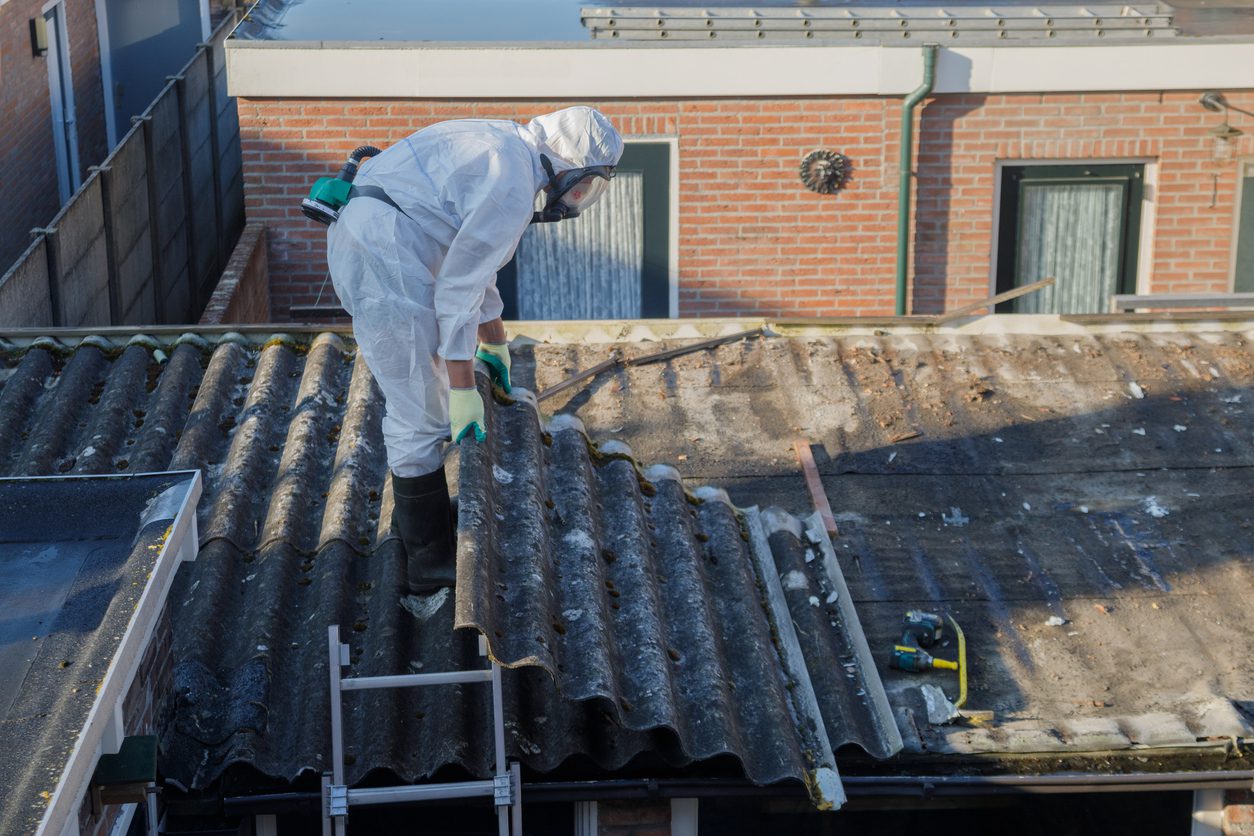
Explaining Asbestos Regulations for Domestic Premises
The asbestos regulations for domestic premises can be summarised as follows:
- There is no legal duty to manage asbestos in privately owned homes for personal use
- Landlords and agents do have a duty under the Housing Act and Health and Safety at Work Act to ensure rental properties are safe
- If the property is part of a larger building (e.g. flats or maisonettes with shared areas), the shared parts are subject to the Control of Asbestos Regulations 2012
- Any contractor working in a domestic property must be informed of known asbestos risks
If you’re unsure how the asbestos regulations for domestic landlords apply to your situation, we’re happy to help clarify.
Who Is Responsible for Asbestos in Domestic Premises?
Private Homeowners
If you own and occupy your home, you are not legally required to have an asbestos survey or management plan. However, if you are planning work that may disturb the building’s structure, such as renovations, rewiring, or plumbing, it is your responsibility to ensure the work is carried out safely.
Contractors must be made aware of any known asbestos risks. Having a survey or report in place is the best way to fulfil this responsibility.

Domestic Landlords and Letting Agents
The rules are different if you rent out the property. While the Control of Asbestos Regulations 2012 are primarily aimed at non-domestic settings, the Health and Safety Executive (HSE) states that certain responsibilities do apply to landlords and managing agents.
Under health and safety legislation, landlords must ensure that their properties are safe for tenants and that any risks, including asbestos in domestic premises, are properly assessed and managed. This includes:
- Being aware of any asbestos-containing materials (ACMs) in the property
- Informing tenants and contractors if asbestos is present
- Taking steps to repair, remove or manage asbestos when necessary
- Ensuring any work is carried out safely by trained professionals
Midlands Asbestos Solutions regularly works with landlords and letting agents to help meet these responsibilities.
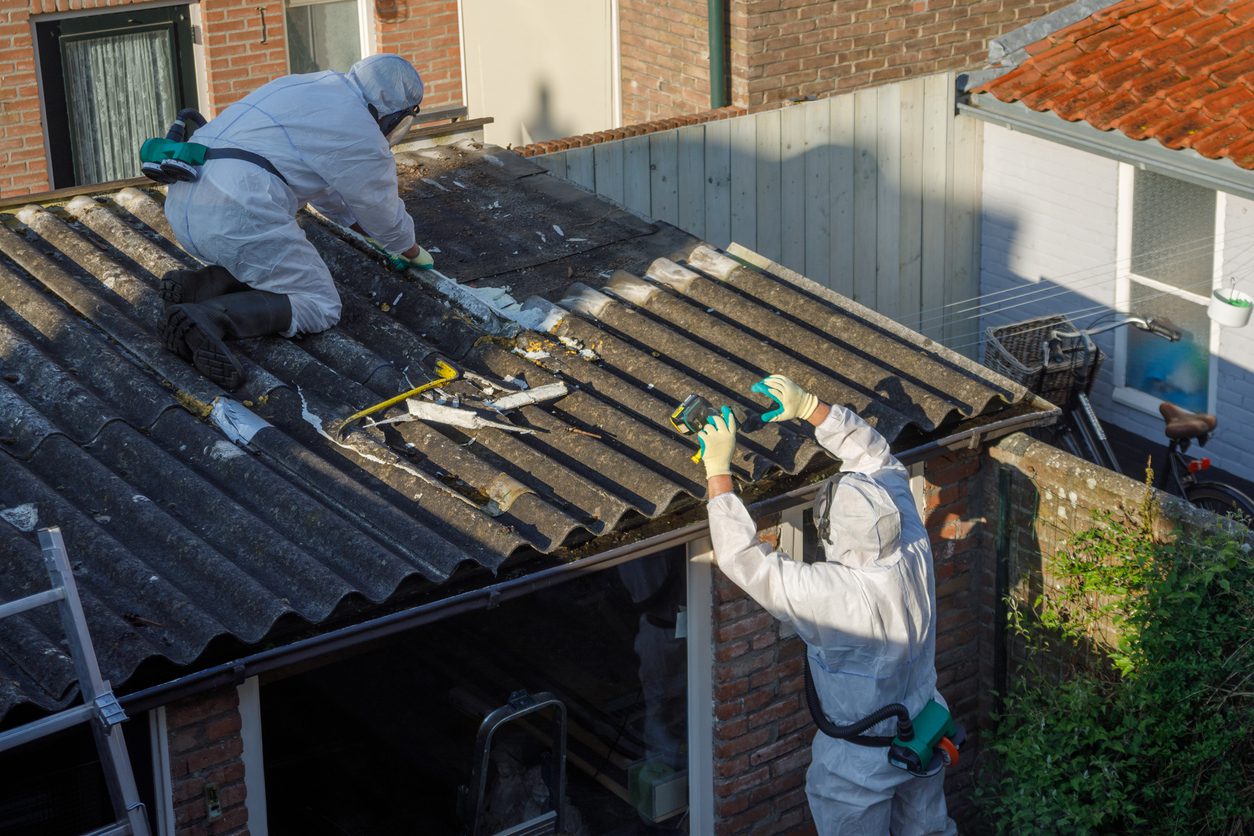
When Is a Domestic Asbestos Survey Recommended?
While surveys are not legally required in all cases, we recommend arranging one if:
- Your property was built before 2000
- You are planning refurbishment or structural work
- You are renting the property to tenants
- Contractors will be working on walls, ceilings, plumbing, or electrics
- You suspect asbestos is present, but are unsure what action to take
A survey gives you clarity and helps fulfil your duties under domestic asbestos regulations without making assumptions.
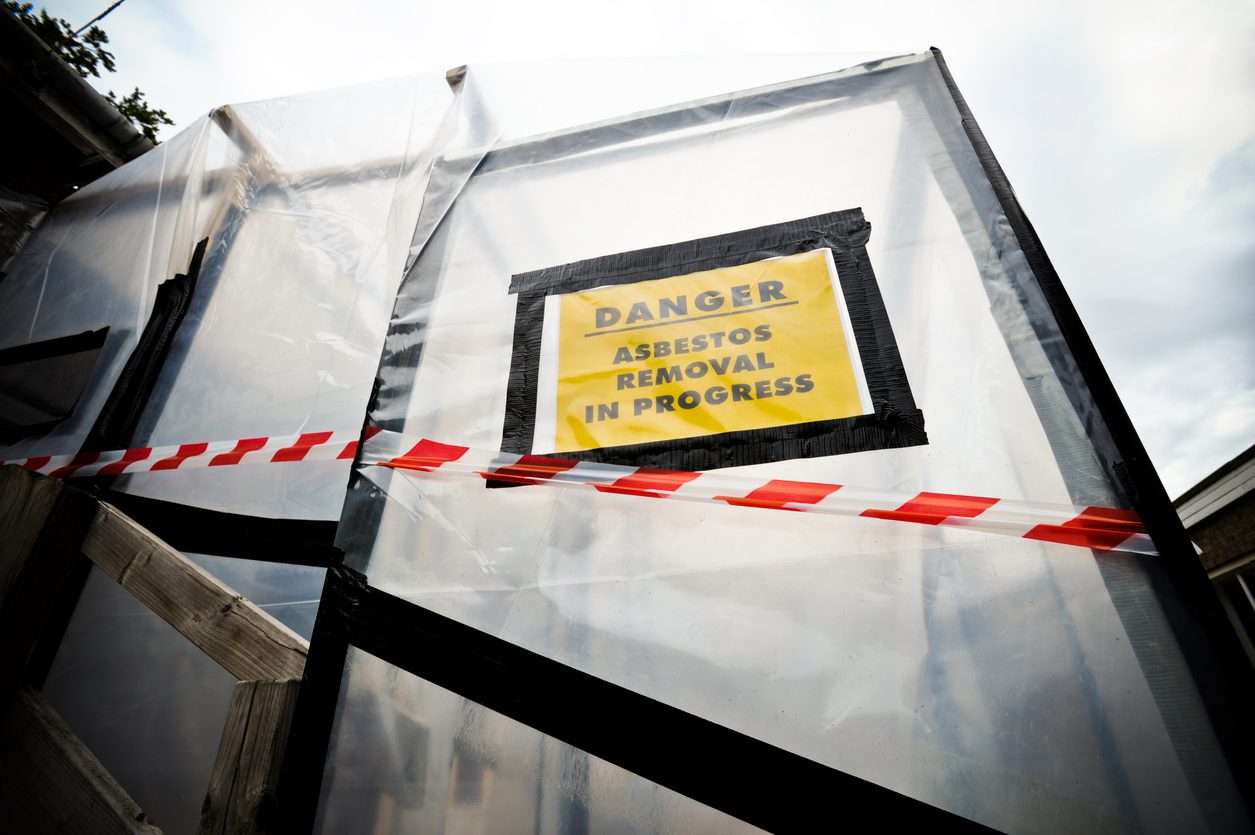
Get in touch to find out more about how we can help you with our Asbestos Solutions
How We Help with Domestic Asbestos Compliance
At Midlands Asbestos Solutions, we offer a full range of services to support asbestos compliance in domestic buildings, including:
- Visual asbestos inspections and advice
- Formal asbestos surveys (management or refurbishment)
- Clear domestic asbestos reports and registers
- Ongoing monitoring or reinspection
- Help prepare documentation for tenants or contractors
- Fully licensed asbestos removal if required
We make compliance easy to understand, without overwhelming you with technical jargon or unnecessary action. You will only be advised to take further steps if it’s genuinely needed.
Need Help Understanding Your Responsibilities?
If you are unsure how asbestos regulations for domestic premises apply to you, Midlands Asbestos Solutions is here to help.
Whether you are a homeowner, a landlord, or managing a portfolio of properties, we provide clear, reliable advice and practical support for safe and legal asbestos compliance.
Contact our team
Our accreditations













We’ve had some great feedback


FAQS
Here are some frequently asked questions (FAQs) about asbestos compliance.
Landlords must take reasonable steps to protect tenants from asbestos exposure. While the full Control of Asbestos Regulations may not apply in every case, other laws, such as the Housing Act, still place a responsibility on landlords to provide safe homes.
If you own your home and live in it, there’s no legal requirement to manage asbestos. However, if you plan work that could disturb the building’s structure, you should ensure asbestos is identified and managed to keep workers safe.
Shared stairwells, hallways, communal lofts, external walls, bin stores and boiler rooms in blocks of flats are all considered non-domestic parts of the building. These are subject to the full Control of Asbestos Regulations 2012 and must be managed accordingly.
Not always. In many cases, asbestos can be left in place and managed safely. Compliance may involve monitoring the material, labelling it, and recording its location rather than removing it entirely.
We can provide written reports and simple guidance documents that help you meet your responsibilities and inform others without causing concern. We can also speak directly with contractors if needed.
Latest news and updates

8 minutes read
21st August 2026
What Is The Process of Asbestos Sample Testing?
If you’ve found a material that you think may contain asbestos, the safest first step is to have it professionally te…
Read more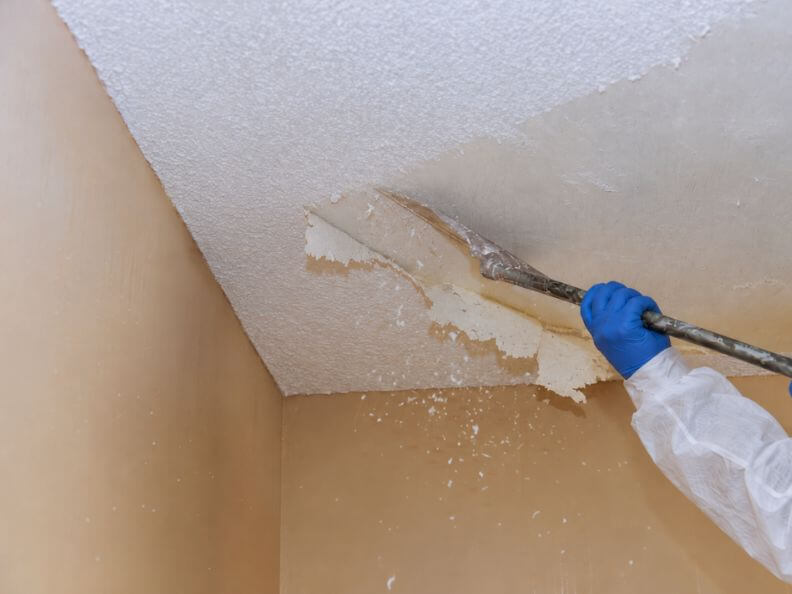
8 minutes read
23rd July 2026
A Guide to Non-Licensed Asbestos Work
Asbestos work must always be approached with care, even when the task doesn’t require a licensed asbestos contractor,…
Read more
6 minutes read
17th June 2026
What To Do If You Find Asbestos When Buying A House
Discovering asbestos when buying a house can be an unexpected concern, especially if you’ve already found a property …
Read more
6 minutes read
26th May 2026
How Is Asbestos Disposed Of? A Complete Guide
If you’ve ever wondered how asbestos is disposed of, the short answer is: very carefully and under strict legal contr…
Read more
5 minutes read
14th April 2026
What Is An Asbestos Register?
If you’re responsible for managing a commercial property, shared building, or an older non-domestic premises, underst…
Read more
6 minutes read
19th March 2026
What Happens During An Asbestos Reinspection?
An asbestos reinspection is a key part of the ongoing management of asbestos-containing materials (ACMs) in any prope…
Read more