
If you’ve found a material that you think may contain asbestos, the safest first step is to have it professionally tested. Asbestos can’t be reliably confirmed by looking at it alone, as many asbestos-containing materials (ACMs) look very similar to non-asbestos alternatives. The only way to confirm whether a material contains asbestos is through sample analysis.
Asbestos sample testing involves taking a small sample from a suspected material and sending it to a laboratory for analysis. The results can confirm whether asbestos is present, what type of asbestos has been identified, and what action may be needed next.
In this blog, we’ll explain what asbestos sampling is and the process involved, along with when you’ll need an asbestos sample test and what happens after analysis is complete.
What is asbestos sampling?
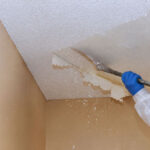
Asbestos sampling is the process of carefully taking a small sample from a material that may contain asbestos. This sample is then sent for laboratory testing to confirm whether asbestos fibres are present.
Sampling may be used for individual suspect materials, such as:
- Textured coatings
- Floor tiles
- Cement sheets
- Insulation board
- Pipe lagging
- Roof sheets
It can also form part of a wider asbestos survey, where multiple areas of a building are inspected and sampled to create a clearer picture of asbestos risk.
The aim is simple: to remove uncertainty. Rather than guessing based on the age, appearance, or location of a material, asbestos sample testing provides clear evidence that can be used to decide whether the material can be left in place, managed, encapsulated, or removed.
Asbestos sampling is often useful before refurbishment, demolition, property purchase, repair work, electrical upgrades, roofing work, or any project where older materials may be disturbed.
Who can carry out asbestos sampling testing?
Asbestos sample testing should be carried out by a competent person with the right training, equipment, and procedures. Taking a sample may disturb the material, and if this isn’t done correctly, asbestos fibres could be released into the surrounding area.
The Health and Safety Executive (HSE) recommends that sampling be carried out by someone who is fully trained and competent, such as a competent asbestos surveyor or analyst. HSE also highlights that UKAS is the recognised accreditation body in Great Britain for asbestos inspection bodies and asbestos testing laboratories.
DIY asbestos sampling is something homeowners and businesses should avoid doing as materials can break, crumble, or release dust during the process, especially if they’re damaged or in poor condition. Professional asbestos sampling helps reduce disturbance, keeps the area controlled, and ensures the sample is suitable for accurate laboratory analysis.
At Midlands Asbestos Solutions (MAS), we can arrange asbestos sampling and testing to help homeowners, landlords, duty holders, contractors, and businesses understand what they’re dealing with before any further work takes place.
When would you need an asbestos sample test?
You may need an asbestos sample test whenever there’s uncertainty about whether a material contains asbestos. This is particularly important in properties built or refurbished before asbestos was fully banned in the UK.
Common reasons for asbestos sample testing include:
- Planned renovation work
- Demolition
- Roofing repairs
- Garage removal
- Flooring replacement
- Ceiling works
- Heating or pipework upgrades
- Property purchases
- Landlord responsibilities
- Commercial property management
- Damage to older building materials
Sampling may also be required as part of a formal asbestos survey or during ongoing asbestos management.
Asbestos management survey
An asbestos management survey is usually carried out to identify ACMs that could be disturbed during normal occupation, maintenance, or everyday use of the building.
This type of survey is commonly used in non-domestic properties, including:
- Offices
- Warehouses
- Schools
- Shops
- Shared communal areas
During a management survey, suspected ACMs may be sampled and sent for laboratory testing. The results help confirm whether asbestos is present, where it’s located, what condition it’s in, and how it should be managed safely.
For duty holders, landlords, and property managers, this information is important for keeping an asbestos register and management plan up to date.
Refurbishment and demolition survey
A refurbishment and demolition survey is required before work takes place that could disturb the fabric of a building.
This includes:
- Refurbishment
- Structural alterations
- Demolition
- Intrusive maintenance
- Extensions
- Major upgrades
This type of survey is more intrusive than a management survey because it’s designed to locate asbestos that may be hidden behind walls, ceilings, floors, ducts, boxing, panels, or other building materials. HSE guidance explains that where asbestos may be hidden and the building fabric will be disturbed, a more intrusive survey should be completed before work starts.
Asbestos sample testing is an important part of this process. Samples are taken from suspect materials and analysed so asbestos can be identified before contractors begin work.
What does asbestos sampling testing involve?
The asbestos sampling process should be carefully controlled from start to finish. The exact method will depend on the material, its condition, and where it’s located, but most asbestos sample testing follows three key stages.
1. Initial site assessment
Before taking a sample, the suspected material is assessed. This includes looking at the type of material, its condition, where it’s located, how accessible it is, and whether it’s likely to be disturbed.
The person carrying out the sampling will also consider the surrounding area and any risks linked to taking the sample. For example, a small sample from a solid floor tile may involve a different approach to a sample from a damaged textured coating or insulation material.
This stage helps decide how the sample should be taken safely and whether any additional controls are needed before sampling begins.
2. Safe sample collection
Once the area has been assessed, a small sample is taken using controlled methods. The aim is to collect enough material for accurate analysis while causing as little disturbance as possible.
The sample area may be dampened to reduce dust, and suitable PPE may be worn depending on the material and setting. The sample is then carefully removed, sealed, labelled, and prepared for laboratory testing.
After the sample has been taken, the sampled area may be sealed to reduce the risk of fibres being released from the disturbed point. The surrounding area should also be left safe and tidy.
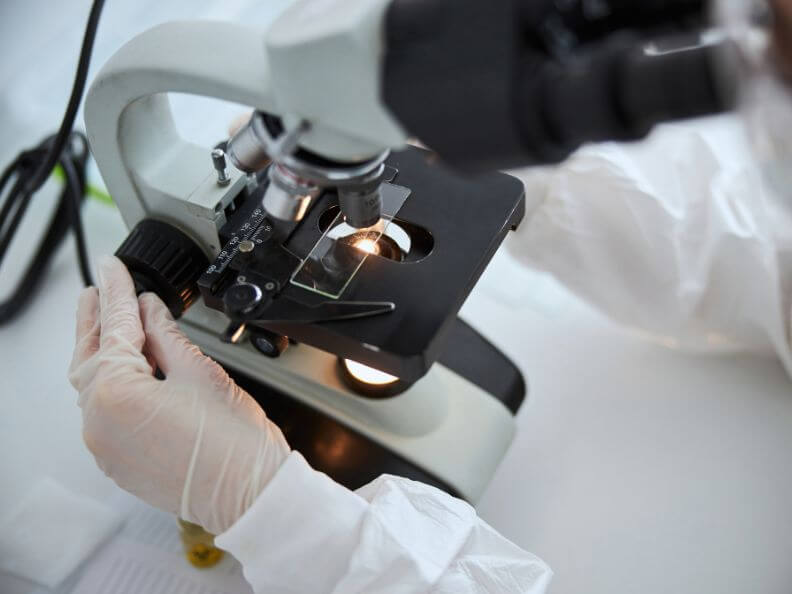
3. Laboratory testing
The third stage involves sending the sample to a laboratory for analysis. UKAS accredits asbestos testing laboratories to ISO/IEC 17025, which helps demonstrate that the laboratory is competent to carry out asbestos testing.
During laboratory analysis, the sample is examined to confirm whether asbestos fibres are present. If asbestos is found, the analysis can identify the type of asbestos within the material.
The results are then issued in a report or certificate, giving you clear confirmation of whether asbestos has been detected.
What happens after asbestos sample analysis?
After asbestos sample analysis, the next steps depend on the result, the material, its condition, and your plans for the property.
If the sample doesn’t contain asbestos, you will have written confirmation that the specific material tested doesn’t require asbestos management or removal. This can help give you peace of mind before continuing with planned works.
If asbestos is identified, this doesn’t automatically mean the material must be removed. In some cases, ACMs can be left in place if they’re in good condition, unlikely to be disturbed, and properly managed.
However, if the material is damaged, deteriorating, likely to be disturbed, or located in an area where refurbishment or demolition work is planned, further action may be needed. This could include repair, encapsulation, removal, or a more detailed asbestos survey.
For commercial properties and shared buildings, the results may also need to be added to the asbestos register and management plan. This helps ensure anyone carrying out future work on the property understands where asbestos is present and how it should be managed.
The main benefit of asbestos sample testing is clarity. It gives you the information needed to make safe, practical, and compliant decisions about your property.
Looking for professional asbestos sampling?
If you’ve found a suspected ACM, it’s important to not disturb it until you know what it is.
At MAS, we provide professional asbestos sampling and testing for domestic, commercial, and industrial properties. Whether you’re planning refurbishment work, managing a property, preparing for demolition, or dealing with a damaged material, we can help you understand your safest next step.
Don’t hesitate to get in touch with our team today for clear, professional advice.